Category Archive: Uncategorized
At HCW, we often engage with engineers who are designing new products but not familiar with the different casting processes available. Below is a table comparing common types of casting in North America. Keep in mind that your part geometry and project details play a large role in dictating the most suitable casting process for your application.
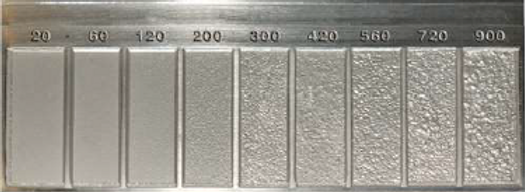
There are exceptions to pretty much everything noted below…the numerous inputs for each casting process introduces variations to the end product, and no two foundries are exactly alike. The type of sand (grain size) determines surface finish, the use of automation & robotics influence volumes, state-of-the-art molding equipment and customization might push the boundaries of what can typically be achieved, and many other variables ultimately determine what is possible. So, I suggest referencing the table below as a general guideline for each casting process.
If you have additional questions, don’t hesitate to reach out. ta****@******oc.com
|
Casting Process
|
Part Price
|
Tool Price
|
Typical Volume
|
Min Wall Thickness
|
Surface Finish (RMS)
|
Part Complexity
|
|
Die Cast
|
$
|
$$$
|
High
|
0.085”
|
63 – 200
|
Medium, High
|
|
Low Pressure Permanent Mold
|
$$
|
$$$
|
Medium
|
0.18”
|
200 – 400
|
Medium
|
|
Gravity / Tilt Pour Permanent Mold
|
$$
|
$$
|
Medium
|
0.21”
|
200 – 400
|
Medium
|
|
Green Sand
|
$$
|
$
|
Low, Medium
|
0.21”
|
250 – 900
|
Low, Medium
|
|
Airset / No Bake Sand
|
$$$
|
$ – $$
|
Low
|
0.25”
|
150 – 600
|
Medium
|
|
Investment
|
$$$
|
$$
|
Low, Medium
|
.090”
|
125 – 175
|
Medium, High
|
Surface finish visual (RMS)
If you’re in manufacturing supply chain or procurement of ‘material heavy’ production parts, you might run across a surcharge price that is applied on top of the base price you’re paying. Why do some parts contain surcharge, and why might it differ from supplier to supplier?
Short answer: surcharge captures the fluctuating prices for specific raw materials in a volatile market, and there is no industry standard on what percentage of material cost can be applied to base pricing.
In the foundry industry, material cost can represent a significant percentage of total casting cost. So even small changes in raw material pricing can result in large impacts on total production price. Surcharge allows casting suppliers to maintain a consistent base price that does not regularly change, while also charging a ‘market index’ for raw materials.
Every foundry handles surcharge a bit differently. Many North American foundries will calculate surcharge when castings ship out the door, representing the cost of raw materials used in that batch of castings. This may differ from the surcharge that was originally quoted, as raw material prices typically change month to month. It’s common to see foundry suppliers update surcharge pricing once per month or once per quarter.
Surcharge is presented as price per pound, so calculating the total amount is straightforward if you know your casting weight. A 100-pound ductile iron casting with a $0.50 / lb. surcharge yields an additional $50 surcharge.
If another foundry is charging a lower surcharge price (like $0.25 / lb. in the above scenario), chances are a larger portion of the material cost is simply included in the base pricing. Generally speaking, you shouldn’t be paying more or less in total material cost from one foundry to the next.
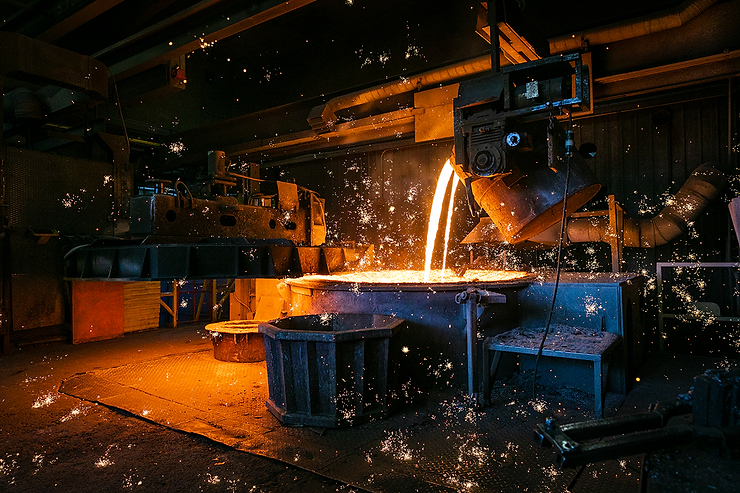
HCW’s iron foundry partner, Lethbridge Iron Works, captures the following raw materials in surcharge pricing: pig iron, steel scrap, carbon, ferrosilicon, magnesium ferrosilicon, ferrochrome, ferromolybdenum, and copper. For reference, here are iron surcharge trends from Leth Iron in the past 12 months:
Let us know if you have any questions on surcharge!
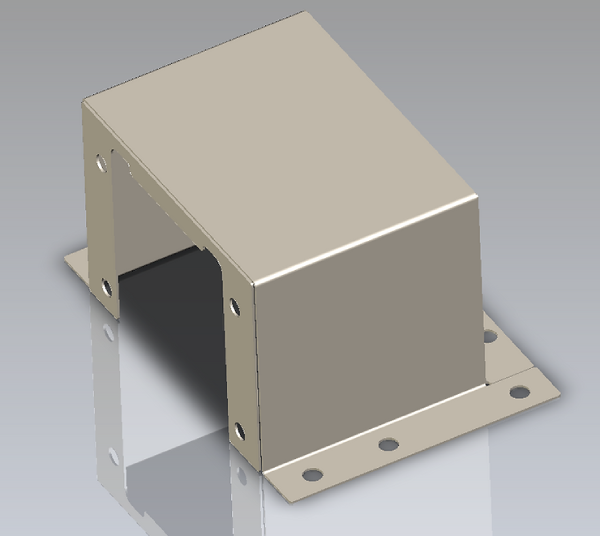
Sheet metal tolerancing is a common topic of discussion we have with design engineers and OEMs looking to develop and source new custom parts. Understanding what tolerances your sheet metal supplier can maintain leads to better collaboration and design for manufacturability (DFM).
Here are some of our standard sheet metal tolerances. Tighter tolerances may be achieved as design and materials allow:
Using state of the art equipment and techniques, we can achieve tight tolerances and high accuracy for your parts. Shoot us a call or email if you’d like to know more.
HCW was founded in 1990 by Hank Wagemans, who took the leap from security with an established company into sole proprietorship. In those first few years, HCW was focused on supporting 100% aerospace, which is the industry Hank worked in prior to starting the company. Over the years, HCW diversified into new markets. Today, aerospace represents only 10% – 15% of the business.
In 2021, Scott and Taylor formally acquired the family business as Hank moved into retirement. With a lineup of synergistic suppliers and dozens of unique manufacturing capabilities, we have continued to pursue diversification of customers and industries. Over the past year as our business experienced growth, we came to the realization that we’d need to increase our capacity to identify and support new business development.
Enter our third brother. Exactly one year after the acquisition, we hired Mike Wagemans, our first employee. Mike brings prior sales and inventory management experience to HCW, and will play a key role in expanding the family business and helping us enter into new markets. Please welcome Mike to the team, and feel free to reach out directly to him for any supply chain needs. mi*****@******oc.com